Eltham Locksmith Service Team
Local locksmith team
9 Sep 2026 10 min read
Losing your house keys is one of those things that happens to almost everyone at some point — you get back from a walk along Eltham High Street, pat your pockets, and the familiar jingle is nowhere to be found. It is an unsettling feeling, but it does not have to spiral into a crisis. Whether you have left your keys inside, dropped them somewhere on your way home, or simply cannot account for their whereabouts, there is a sensible order of steps that will get you back through your front door safely and help you decide what to do next.
This guide walks you through exactly that: retracing your steps, getting back inside without damaging your property, and then making the right call on whether a cylinder replacement or a full door lock replacement is the smartest move. We cover both traditional front doors with a Yale-type nightlatch and a 5-lever mortice deadlock, and the uPVC and composite doors with multipoint locks that are increasingly common across homes in SE9 and the surrounding area.
## Step One — Retrace Before You Panic
Before anything else, give yourself five minutes to think methodically. Keys rarely vanish; they usually end up somewhere predictable. Check the last jacket or bag you used, the pocket of whatever you were wearing yesterday, the worktop just inside the door if you managed to get in and out earlier, and any communal area or letterbox shelf if you live in a block of flats. Ring the last place you visited — a café on Well Hall Road, a friend's house, the GP surgery — because lost keys are handed in surprisingly often. If you drove anywhere, check the ignition area and the footwell.
If a thorough retrace draws a blank, your focus shifts to two parallel tasks: getting back inside your home tonight, and deciding what to do about security once you are in. Those are distinct problems, and it helps to treat them that way.
## What to Do If Locked Out of House — Safe Ways Back In
When you are standing on the pavement wondering what to do when locked out of house, the first instinct is sometimes to try forcing a window or a back door. Resist that. Aside from the risk of injury, a forced entry leaves your property unsecured and can invalidate a home insurance claim. Instead, work through the legitimate options in order. First, check whether a trusted neighbour, family member, or flatmate holds a spare key — many households in Eltham arrange exactly this for emergencies. Second, if you rent, your letting agent or landlord may have a spare set and an out-of-hours contact number. Third, check every ground-floor window and the back door; it is not uncommon to find one on the latch.
If none of those routes work, the right answer is to call a professional locksmith. A skilled locksmith can open the vast majority of residential front doors without any damage to the lock or the door frame, using non-destructive entry techniques. This matters especially with uPVC doors fitted with euro cylinders, where amateur forcing attempts can cause the cylinder to snap — leaving a much more expensive repair job. If you are locked out London-wide or specifically in the Eltham area, our team at Eltham Locksmith can usually be with you in around 30 minutes. Call 020 3757 5833 and a locksmith will be sent out straight away.
## Understanding Your Front Door — Yale, Mortice, or Multipoint
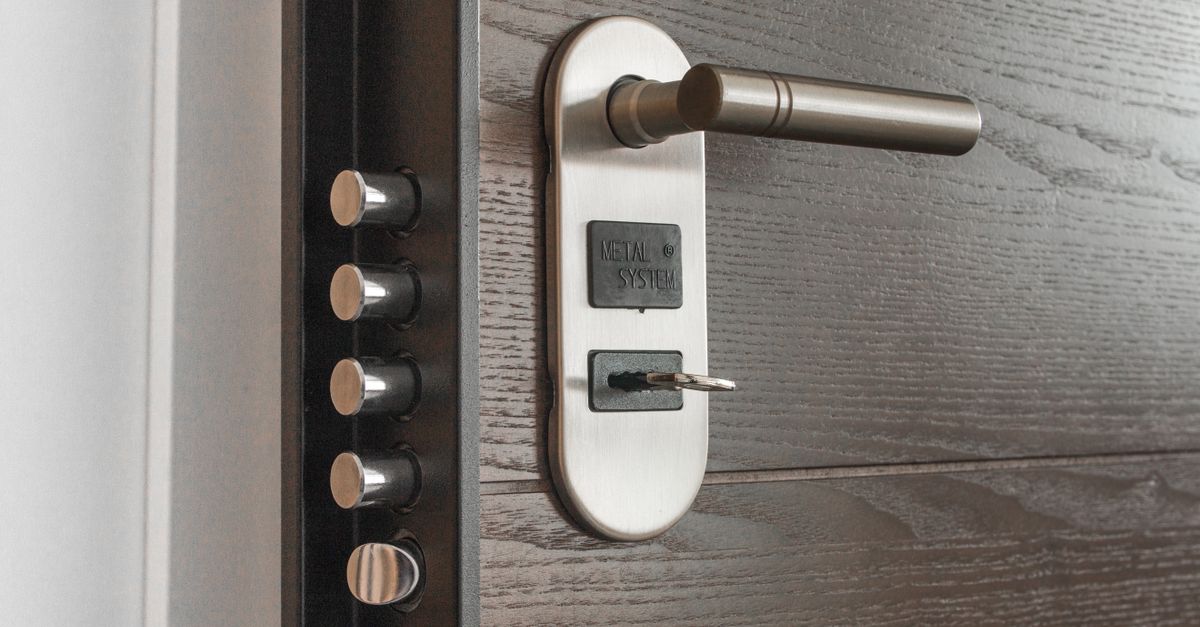
Knowing what type of lock is on your door helps you have a sensible conversation with your locksmith and understand what a lock change or cylinder replacement actually involves. Traditional timber front doors in Eltham's older terraced and semi-detached houses typically carry two separate locks: a Yale-type nightlatch (the spring-loaded latch you pull shut behind you) and a 5-lever mortice deadlock set into the door itself. Insurers frequently require the mortice lock to meet BS3621 as a condition of contents cover, so it is worth checking your policy documents when you are next reviewing your security.
Newer properties and many homes that have had their doors replaced in the last 15 years are more likely to have a uPVC or composite door with a multipoint locking system — several hooks, bolts, and rollers that engage along the full height of the door frame when you lift the handle. These doors use a euro cylinder as the key-operated component. Euro cylinders are convenient and effective, but they carry a known vulnerability: cylinder snapping, where a burglar snaps the exposed section of the cylinder to gain entry in seconds. If your door has a standard euro cylinder, upgrading to an anti-snap, TS007 3-star rated cylinder is one of the most cost-effective security improvements you can make — and a lost key is an ideal prompt to do it.
## Should You Change the Cylinder or Replace the Full Lock?
This is the question most homeowners reach after a lockout, and the answer depends on two things: what type of lock you have, and what actually happened to your keys. If your keys are confirmed lost rather than stolen — say, they slipped out of your pocket at the park — and nobody could realistically know which door they open, some people choose to carry on with the existing lock. That is a judgement call. If there is any real possibility that your keys are in someone else's hands, or if they have identifying information attached (a key fob with your address, a loyalty card linking to your postcode), then acting is straightforward common sense.
For a uPVC or composite door, changing the euro cylinder is usually sufficient and is a quick job for an experienced locksmith — it involves removing one screw and swapping the cylinder out. This is what most people mean when they talk about a lock change London job on a modern door. For a timber door with a 5-lever mortice deadlock, the process is more involved; the entire lock case may need to come out, particularly if you want to upgrade to a BS3621 unit at the same time. A full door lock replacement London is also worth considering if the hardware is old, worn, or showing signs of damage from the lockout or from general use. Your locksmith will be honest with you about what is actually needed — the goal is to leave your door as secure as it should be, not to recommend more work than the situation warrants.
## Prevention, Documentation, and What to Do Next Time
Once you are back inside and your locks are sorted, a few small habits will make the next lost-keys scenario far less stressful. Arrange a spare key with a neighbour or a trusted family member who lives nearby — not under the doormat or in the garden, where it provides little real protection. If you live in rented accommodation, speak to your letting agent about their out-of-hours emergency process and keep that number saved in your phone. Photograph your keys so you can describe them accurately if they are handed in somewhere. And if your door has a standard euro cylinder, ask about TS007 anti-snap options the next time you have a locksmith visit — it is a small change that significantly raises the bar for would-be intruders.
For anything urgent — a lockout this evening, a lock that is damaged, a cylinder that needs replacing tonight — Eltham Locksmith operates around the clock, including evenings, weekends, and bank holidays. As a 24 hour locksmith London service covering Eltham and the wider SE9 area, we send a locksmith straight away and are typically with you in about 30 minutes. The price for any job is confirmed clearly on the phone before anyone sets off, so you know exactly what you are agreeing to. The final quote will reflect factors such as the type of lock on your door, the time of day, and any parts needed — there are no surprises on the invoice. Call us on 020 3757 5833 any time, day or night.
## Emergency Locksmith London — What to Expect When We Arrive
When you call our team, we will ask you a few quick questions: what type of door you have, whether the key is lost or the lock is damaged, and your address. This lets us send the right person with the right parts rather than making two trips. Our locksmiths are trained, experienced professionals who carry the tools and replacement hardware needed for the most common residential scenarios — from snapped euro cylinders on uPVC doors to mortice lock replacements on older timber doors across Eltham's Victorian and Edwardian terraces.
On arrival, the locksmith will assess the door and confirm the approach before starting any work. For a standard lockout where the lock is undamaged, non-destructive entry is almost always possible. If a lock change London or upvc door lock repair London is needed, we carry a range of cylinders and hardware, including TS007 anti-snap options, so the work can usually be completed in a single visit. We are insured, and all work is carried out to a standard your insurer will recognise. If you are locked out London and need help tonight, do not hesitate — call 020 3757 5833 and we will be on our way.
Frequently asked questions
What should I do if I get locked out of my house late at night?+
The process is the same at any hour: work through the safe options first — spare key with a neighbour, letting agent emergency line, an unlocked back door — and if none of those apply, call a professional locksmith. Eltham Locksmith operates 24 hours a day, every day of the year including bank holidays. When you call 020 3757 5833, we send a locksmith straight away and are usually with you in around 30 minutes. We will confirm the exact price on the phone before anyone sets off, so there are no surprises at any time of day or night.
Should I change my locks after losing my keys?+
It depends on the circumstances. If you are confident the keys are genuinely lost and cannot be traced back to your address — no key fob, no loyalty cards, nothing linking them to your home — many people make a risk-based decision to carry on. However, if there is any realistic chance someone has found them and could identify where they belong, acting promptly makes sense. For a uPVC or composite door, replacing the euro cylinder is a quick and straightforward job. For a timber door with a 5-lever mortice deadlock, the locksmith will advise whether a cylinder swap is sufficient or whether a full lock replacement is the right call. Either way, a lost key is also a good prompt to consider upgrading to an anti-snap, TS007 3-star cylinder if you do not already have one.
How much does an emergency locksmith cost in London?+
There is no single fixed figure because the cost of a lockout or lock change job depends on several factors: the type of lock and door you have, the time of day (evenings, weekends, and bank holidays affect the rate), how far our locksmith needs to travel to reach you, and whether replacement parts are needed. What we always do is confirm an exact, up-front price on the phone before anyone sets off, so you are agreeing to a clear figure with no hidden additions. Call 020 3757 5833 and we will give you a straight quote based on your specific situation.
Can a locksmith open my door without damaging the lock?+
In most cases, yes. A trained, experienced locksmith will attempt non-destructive entry first — techniques that work with the lock mechanism rather than against it, leaving your lock intact and your door frame undamaged. This is successful on the vast majority of residential nightlatches, 5-lever mortice deadlocks, and euro cylinder multipoint locks. Drilling or other destructive methods are only used as a last resort when non-destructive entry genuinely is not possible, and your locksmith will explain the situation clearly before proceeding. One reason to avoid trying to force your own way in is the euro cylinder snapping risk on uPVC doors — amateur attempts can cause damage that makes the repair significantly more complex.