Eltham Locksmith Service Team
Local locksmith team
2 Sep 2026 11 min read
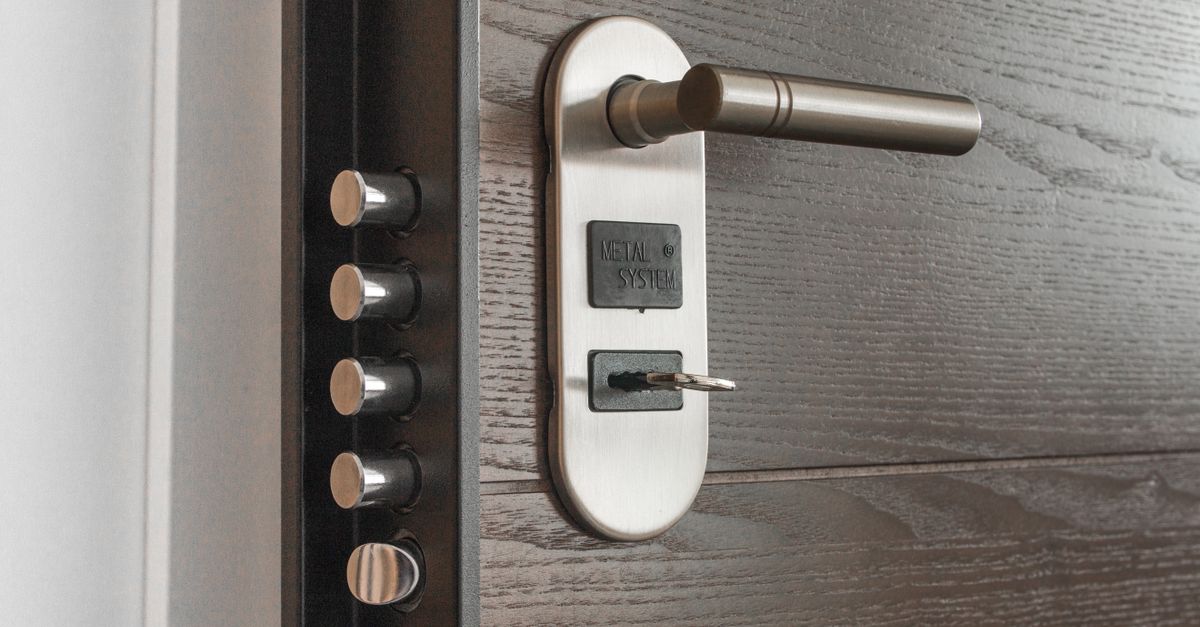
You push your key into the lock, give it the usual turn — and nothing happens. It won't budge, or it grinds partway and sticks. It's one of those problems that feels minor right up until you're standing on the doorstep at 10pm in the rain, wondering what on earth is going on. The good news is that there are a handful of well-understood reasons why a key stops turning, and knowing what's behind the problem helps you decide whether a quick fix will sort it — or whether you need a professional locksmith London residents can call without delay.
This guide walks through the most common causes, what you can safely try yourself, and the point at which pushing further risks turning a frustrating inconvenience into a costly repair. If you're already past that point and need help now, call Eltham Locksmith on 020 3757 5833 — we're a 24/7 mobile locksmith team covering Eltham and the wider London area, and we can usually be with you in around 30 minutes.
## Why a Key Stops Turning: The Most Common Causes
Understanding the cause is half the battle. The most frequent culprits fall into four categories. First, a worn or damaged cylinder: over years of use, the internal pins inside a euro cylinder, Yale-type nightlatch, or 5-lever mortice deadlock wear down. The key's cuts no longer line up cleanly with the pins, so the barrel can't rotate. This is especially common on older uPVC doors where the euro cylinder has never been changed. Second, a dropped or misaligned door: timber doors swell seasonally — particularly in older Eltham terraces and Victorian semis around Well Hall Road — and uPVC doors can drop on their hinges over time. When a door sits out of square in its frame, the latch or bolt is under tension from the frame itself, and that mechanical stress transfers directly to the cylinder. The key turns against that tension and either sticks or feels impossibly stiff. Third, debris in the keyway: grit, paint flecks, broken key fragments, or old dried lubricant can partially block the keyway and prevent the key from seating fully. The key goes in but sits at the wrong depth, so the cuts don't align properly. Fourth, a damaged key: a key that has been bent, slightly twisted, or simply worn smooth over many years will fail even in a perfectly healthy lock.
There's a fifth scenario worth mentioning — attempted forced entry. If a previous occupant or an opportunist has pushed something into the lock, damaged the face of the cylinder, or partly snapped the cylinder (a known vulnerability with standard euro cylinders), the key may no longer engage the mechanism at all. If you notice the cylinder looks proud of the door furniture, is wobbling, or the face plate is scratched, treat that as a potential security concern and call a professional straight away rather than trying to force the key.
## What to Try Before You Call — Gentle Steps Only
There are a few safe, sensible things worth trying before you pick up the phone, as long as you stay gentle throughout. Forcing a key that won't turn is the fastest way to snap it in the barrel — which turns a stiff lock into a locked-out situation requiring professional extraction. Start by removing the key completely and inspecting it in good light. Look for visible bends, worn-down cuts, or any obvious damage. If the key looks fine, try applying a small amount of graphite-based lubricant or dry PTFE spray into the keyway — avoid WD-40, which is a moisture displacer rather than a true lock lubricant and can gum up the mechanism over time. Reinsert the key slowly and gently work it back and forth without forcing it.
Next, consider the door alignment issue. If you can lift the door handle firmly upward while simultaneously attempting to turn the key, this can release tension on a multipoint locking system where the bolt or latches are binding against the keep in the frame. This trick resolves a surprising number of stiff-lock calls on uPVC and composite doors. Similarly, if the door is an internal communal door in a block of flats, try pressing your shoulder gently against it while turning — this can relieve frame pressure. If none of this works after a couple of calm attempts, stop. You've exhausted the safe DIY options, and continuing risks snapping the key or damaging the cylinder further.
## Locked Out London: When to Stop and Call a Professional
Knowing when to stop is just as important as knowing what to try. If the key has already snapped inside the barrel, do not attempt to extract it with tweezers or other tools — the fragments can be pushed deeper and become significantly harder to retrieve. If the door is a uPVC or composite door and the key won't engage at all, there may be a failed multipoint lock mechanism rather than a cylinder problem — this requires professional diagnosis. And if you're asking what to do if locked out of your house with no other way in, that's the moment to call rather than experiment.
Forcing, drilling, or attempting to manipulate the lock without experience nearly always causes additional damage that increases the complexity — and the cost — of the eventual repair. A trained locksmith can open the door with the least possible damage, assess whether the cylinder can be saved or needs replacing, and advise on the right long-term fix. If you're ever unsure, locked out London or anywhere nearby, our team at Eltham Locksmith is reachable around the clock on 020 3757 5833. We'll talk you through what we're seeing before we start any work, and we always confirm an exact up-front quote before proceeding — the price depends on factors like the lock type, time of day, and any parts required, and you'll know the full figure before we touch anything.
## Euro Cylinders, Yale Locks, and uPVC Door Lock Repair London
The type of lock on your door matters a great deal when diagnosing a stiff or stuck key. Many Eltham homes — particularly the post-war council-built properties around Eltham Hill and the newer developments near Kidbrooke — use uPVC or composite doors fitted with multipoint locking systems operated by a euro cylinder. Euro cylinders are the oval-shaped barrel you insert the key into; they're practical and widely used, but they have a known weakness: standard cylinders can be snapped with a pair of pliers and a screwdriver in seconds, giving a burglar direct access to the mechanism. If your cylinder is stiff, old, or has never been changed since you moved in, that's worth addressing as a security issue even if you do manage to get the door open today.
Older timber front doors in Eltham's conservation areas and Victorian streets often carry a Yale-type nightlatch (the spring-loaded latch you can slam behind you) alongside a 5-lever mortice deadlock set into the door edge. Insurers frequently ask for a BS 3621-rated mortice deadlock, so if yours is ageing or has become stiff, changing the lock is worth doing properly. For uPVC door lock repair London homeowners trust us to carry out same-day, and for door lock replacement London wide we stock a range of anti-snap, TS007 3-star rated cylinders that offer genuine resistance to the snapping attacks that standard cylinders cannot withstand. Upgrading at the same time as a repair is often the most practical decision.
## Lock Change London: What Happens After We Open the Door
Getting the door open is only part of the job. Once you're safely inside, it's worth having an honest conversation about what happens next. If the cylinder was the problem — worn, damaged, or simply old — a lock change London residents often delay until a problem forces their hand is usually the right move. Replacing a euro cylinder is straightforward in most cases: the old cylinder is removed with a single screw from the face of the door, and a new, correctly sized, higher-security cylinder is fitted in its place. The whole process typically takes 20 to 30 minutes.
If the issue was a dropped door or misaligned frame, we can often adjust the hinges or the keeps (the metal plates the bolts lock into) to bring the door back into square, relieving the tension that was making the key so difficult. Where the multipoint lock mechanism itself has failed — a common issue on uPVC doors that are more than ten years old — the full lock case may need to be replaced. We carry common parts on the van so that many of these jobs can be completed in a single visit. Whatever work is needed, we'll explain the options clearly, give you a fixed price upfront, and only proceed with your agreement. As a 24 hour locksmith London homeowners and tenants can rely on any day of the year — including evenings, weekends, and bank holidays — getting you secure isn't something we put off until a more convenient time.
## Prevention: Keeping Your Lock in Good Health
A seized lock rarely fails without warning. There are usually signs for weeks or months beforehand: the key feels slightly stiffer than it used to, you've started lifting the handle to help it turn, or you've noticed the key occasionally sticks on the way out. Catching these signs early means you can deal with the problem on your own terms rather than in the middle of the night when locked out London with nowhere to turn.
A light application of graphite lubricant to the keyway once or twice a year keeps the internal mechanism moving freely. Checking the door alignment annually — particularly after a wet British winter when timber swells — takes about 30 seconds and can save a great deal of frustration. If you've recently moved into a property, whether buying or renting, it's good practice to have the locks assessed and changed: you have no way of knowing how many keys are in circulation from previous owners or tenants. A letting agent or housing association should arrange this between tenancies, but it doesn't always happen. If you're ever unsure about the state of your locks or what to do when locked out of your house, Eltham Locksmith is here to help — call us on 020 3757 5833 and we'll talk you through it straight away.
Frequently asked questions
What should I do if locked out of my house and I can't get the key to turn?+
Stay calm and work through the safe steps first: check for a spare key with a trusted neighbour or family member, try gently lifting the door handle while turning the key (this relieves pressure on multipoint locks), and apply a small amount of graphite lubricant if you have it to hand. If none of that works after a couple of careful attempts, stop — forcing the key risks snapping it inside the barrel and making the situation worse. Call a professional locksmith who can open the door cleanly and assess what's caused the problem. If you're in or around Eltham, ring us on 020 3757 5833 and we'll send someone straight out.
What do I do when locked out of my house late at night or over a bank holiday?+
The process is exactly the same at any hour — a 24 hour locksmith London-wide is your best call. At Eltham Locksmith we operate around the clock, every day of the year, including evenings, weekends, and bank holidays. When you call 020 3757 5833 we'll confirm an exact price before anyone comes out — the quote takes into account the lock type, time of call, and travel distance — and we're usually with you in around 30 minutes. Never attempt to force a window or door yourself: aside from the risk of injury, it can cause significant damage that far outweighs the cost of a locksmith.
Should I change the lock after a locksmith opens my door?+
In many cases, yes — and for good reason. If the cylinder was worn or damaged, simply opening the door doesn't fix the underlying weakness; it just postpones the next problem. If you've recently moved in and don't know how many keys exist for your current locks, changing the lock is straightforward and gives you complete peace of mind. It's also an opportunity to upgrade to a higher-security cylinder — anti-snap, TS007 3-star rated options offer significantly better resistance to the forced-entry technique most commonly used by opportunist burglars on uPVC doors. We can carry out a lock change London-wide on the same visit, and we'll explain which options suit your door before quoting.
How much does an emergency locksmith cost, and are there hidden charges?+
There's no single fixed figure because the right answer depends on several factors: the type of lock involved (a standard euro cylinder differs from a full multipoint mechanism), the time of day, travel distance to your property, and whether any parts need to be sourced or replaced. What we can guarantee is transparency — we confirm the exact price before any work begins, so there are no surprises on the invoice. Call 020 3757 5833 and we'll give you a clear quote over the phone once we understand what you're dealing with.