Eltham Locksmith Service Team
Local locksmith team
28 Oct 2026 11 min read
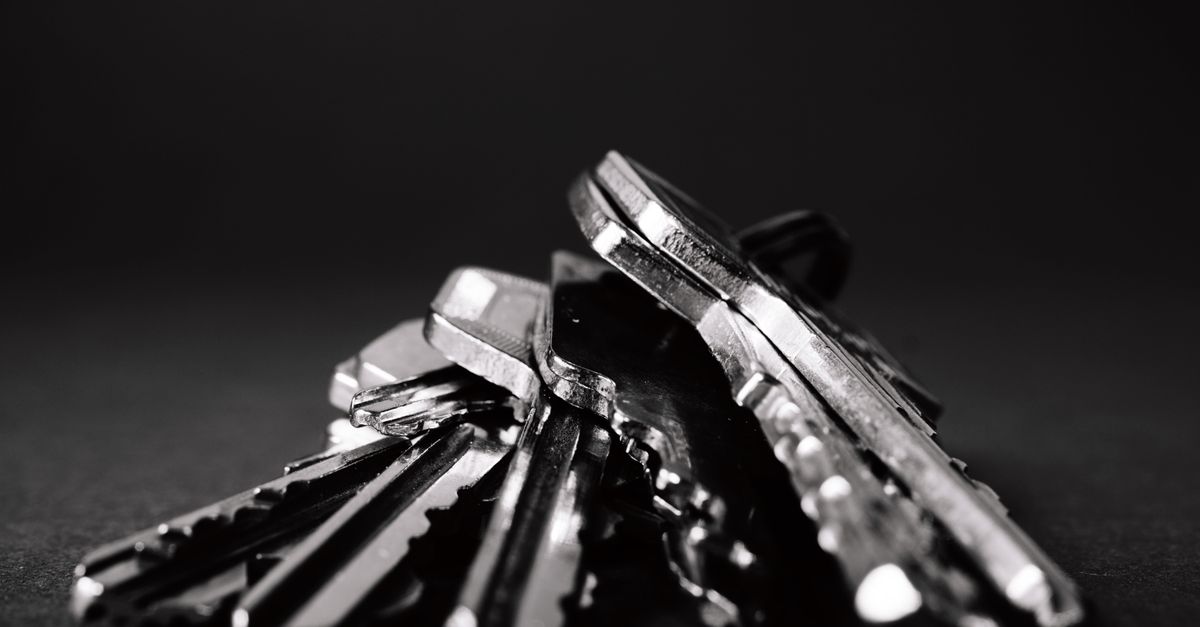
A snapped key is one of those moments that stops you in your tracks — standing at your front door in Eltham at gone 9pm, half a key in your hand and the other half jammed in the barrel. It happens more often than you might think, especially on older Yale nightlatches and 5-lever mortice deadlocks where keys have been used for years and the metal has quietly fatigued. Before panic sets in, there are a couple of things you can safely try yourself, and knowing the boundary between a DIY attempt and a job for a trained locksmith London team can save you both time and the cost of a damaged lock.
This guide walks through what is genuinely safe to attempt at home, what to avoid, and the clear signs that it is time to put the phone down and call a professional. If you are already at that point, skip straight to the bottom — our team is available around the clock, every day of the year, including bank holidays.
## Why Keys Snap in Locks — and What You Are Actually Dealing With
Keys break inside locks for a handful of predictable reasons: a worn key that has been cut one too many times, a stiff or dry lock mechanism that puts extra stress on the blade, a multipoint euro cylinder on a uPVC door that has dropped slightly out of alignment, or simply a key that was forced when the lock was not fully engaged. On older Eltham terraces with original timber front doors, the culprit is often a tired 5-lever mortice deadlock whose bolt has started to bind — the key takes the strain instead of the mechanism. On newer composite doors along roads like Well Hall Road or in the flats around Eltham High Street, it is more commonly a euro cylinder that has worn at the cam. Understanding which type of lock you are dealing with matters, because the anatomy of the break — how far the broken fragment sits inside the barrel, and whether the lock is in the open or locked position — determines whether any self-help is realistic at all.
The first thing to establish is whether the door is actually locked or simply closed on the latch. A Yale-type nightlatch will hold the door shut even when it is on the snib, but the mortice deadlock may still be retracted. If you can push or pull the door open once the latch is released by other means, your situation is much simpler than a fully locked deadlock with a snapped key buried deep in the cylinder.
## What You Can Safely Try at Home Before Calling an Emergency Locksmith London
If the broken fragment is protruding even slightly from the keyway — a couple of millimetres is enough — you may be able to grip it with a pair of needle-nosed pliers or fine-tipped tweezers and work it straight out with gentle, steady pressure. Do not twist; pull along the axis of the keyway. A small amount of graphite lubricant or WD-40 sprayed lightly into the cylinder can reduce friction and help the fragment slide free. This is most likely to work on a simple Yale nightlatch where the keyway is relatively open and the fragment has not been pushed deep by repeated attempts to turn the key after it snapped. If the fragment moves even fractionally with this approach, keep going slowly — patience matters far more than force.
What you should not do is probe the cylinder with a screwdriver, a pen knife, a bobby pin, or anything rigid and wide. These tools almost always push the fragment deeper, damage the delicate pin tumblers inside the cylinder, and can leave you with a lock that now needs full replacement rather than just a cylinder change. It is also worth resisting the urge to try and pick a door knob lock or manipulate the mechanism yourself if you have no prior experience — not because it is impossible in principle, but because an untrained attempt on a British Standard lock is very likely to cause damage that a trained locksmith could have avoided entirely. At this point, the most practical step is to check whether a family member holds a spare key, whether a neighbour or your letting agent has access, or whether a back door or ground-floor window is on the latch. These are entirely legitimate and safe alternatives worth exhausting before anything more involved.
If none of those options apply — and especially if the door is in the locked position with the mortice deadlock thrown — this is the moment to call our team on 020 3757 5833. We are an emergency locksmith London service and we send a locksmith straight away; we are usually with you in about 30 minutes.
## When a Locksmith Saves the Lock — Broken Key Extraction and Lock Change London
A trained locksmith has the extraction tools — hook picks, broken key extractors, and in stubborn cases a plug follower — that allow the fragment to be removed without dismantling or destroying the cylinder. On a standard euro cylinder, which is the type found in the vast majority of uPVC and composite doors across Eltham and the wider SE9 area, extraction is often possible with the cylinder still in the door. If the fragment is seated at the shear line and the pins are still in their correct positions, a skilled technician can remove it, examine the cylinder for wear, and advise you honestly on whether a replacement is warranted. This is a genuinely different outcome from forcing the issue yourself and scoring the cylinder walls in the process.
There are, however, scenarios where extraction alone is not enough. If the cylinder shows signs of snap attack vulnerability — a real and documented risk in London boroughs where cylinder snapping is used as a burglary method — your locksmith will recommend a door lock replacement London with an anti-snap, TS007 3-star rated cylinder. These are designed to shear at a sacrificial outer section rather than allowing the whole plug to be pulled and the cam manipulated. Similarly, if a 5-lever mortice deadlock has sustained internal damage, or if the lock was already on its last legs before the key snapped, a lock change London makes far more sense than a temporary fix. Our team carries stock of quality cylinders and can complete the work in a single visit, so you are not left with a makeshift solution overnight.
For uPVC doors, there is an additional consideration: a dropped door sash puts the multipoint lock under constant stress, which is frequently what causes both key breakages and UPVC door lock repair London callouts in the first place. A thorough assessment covers the door alignment as well as the lock itself, so the same problem does not recur.
## Locked Out London — What to Expect When You Call Us
Whether you are locked out of my house after a snapped key, have come home to find a faulty nightlatch that will not release, or are dealing with a deadlock that has jammed for an entirely different reason, the process when you call us is straightforward. We ask a few quick questions — the type of door, the postcode district, your best description of what has happened — and we give you an exact, agreed price before anyone leaves for your address. The factors that go into that figure are the type and complexity of the lock, any parts that are needed, the time of day, and travel distance, but the number we quote is the number you pay. There are no additions at the door.
We cover Eltham and the surrounding areas continuously, and being a 24 hour locksmith London service means that the team available on a Tuesday afternoon is the same experienced team available at 2am on a Sunday or on Boxing Day. If you are a tenant, we can liaise with your letting agent or housing association where needed, and we can provide documentation of the work carried out. We are fully insured and our locksmiths are trained to work non-destructively wherever the lock and situation permit — meaning the goal is always to preserve as much of the existing hardware as possible unless a lock change is genuinely the safer or more practical outcome.
## Preventing It Happening Again — Cylinders, Maintenance, and Knowing Your Locks
Once you are back through the door, it is worth taking stock of the other locks in your home. If one key has fatigued to the point of snapping, keys cut from the same original — common in houses that have been owned or let for a long time — may be in a similar condition. A quick check of how smoothly each lock turns, and whether any of them need a little graphite lubricant to operate freely, takes five minutes and can prevent a repeat callout. For timber front doors, ensuring the door is properly aligned so the bolt engages cleanly without being forced is equally important; a door that has dropped on its hinges puts sustained stress on the key every time the deadlock is thrown.
On the security side, it is worth asking your locksmith to assess whether your existing cylinders meet the TS007 3-star or BS3621 standard that many home insurers now specify. In parts of south-east London, snap attack is a known method used in opportunistic burglaries, and upgrading a vulnerable euro cylinder is one of the most cost-effective security improvements available. If you have a keypad door lock and are considering how to change the code on a keypad door lock after a lockout or a change of tenancy, our team can advise on whether the existing hardware is suitable or whether a more secure option makes sense for your property. And if you have ever wondered how to change a door lock or whether changing the cylinder — so existing keys no longer work — is the right step after a lost key or a tenancy change, those are exactly the conversations we are set up to have on a callout. Call 020 3757 5833 and we will talk it through with you, any time of day or night.
Frequently asked questions
Can I remove a broken key myself, or will I make things worse?+
It depends on how much of the fragment is visible in the keyway. If a few millimetres are protruding and you have fine-nosed pliers or tweezers, a careful straight pull with a little lubricant is worth attempting. If the fragment is flush with or recessed into the cylinder face, or if your first gentle attempt does not move it, stop. Probing with improvised tools — anything wider or more rigid than the broken key itself — risks pushing the fragment deeper and damaging the pin tumblers, which turns a straightforward extraction into a full cylinder replacement. A trained locksmith has purpose-built extraction tools and can usually retrieve the fragment without dismantling the lock at all.
Will the locksmith have to drill the lock and replace everything?+
Not necessarily — and not as a first step. Non-destructive entry is always the preferred approach. For most snapped-key scenarios on euro cylinders and Yale nightlatches, extraction is achievable without drilling. Drilling is only considered when a lock is of a type or condition that makes non-destructive methods genuinely impractical or when the lock is already so worn that replacement is the better outcome regardless. If a replacement cylinder or lock is needed, we tell you before we start, agree the price with you, and in most cases carry the parts needed to complete the job in one visit.
How much does it cost to get a broken key removed or a lock changed?+
The final price depends on a few factors: the type and complexity of the lock involved — a standard euro cylinder differs from a 5-lever mortice deadlock or a multipoint uPVC mechanism — whether any parts are needed, the time of the callout (evenings, weekends, and bank holidays are relevant), and your location. We confirm an exact, agreed price on the phone before we set off, so there are no surprises when we arrive. There is a call-out charge, as with any mobile service, and that is included in the figure we quote upfront.
My front door has a Yale latch and a mortice deadlock — which one is likely to cause the lockout?+
Both can be responsible, in different ways. A Yale-type nightlatch can jam on the latch bolt if the spring mechanism is worn, or the cylinder can seize if it has not been lubricated in some time. A 5-lever mortice deadlock is more likely to cause a key to snap because the bolt requires more torque to throw, particularly if the door has dropped slightly and the bolt is binding against the keep. If you are locked out of your house with both locks engaged and no spare key available, that is a job for a professional — attempting to pick a door knob lock or force a mortice deadlock without the right tools is very likely to cause damage that significantly increases the cost and complexity of getting back in safely.