Eltham Locksmith Service Team
Local locksmith team
7 Oct 2026 12 min read
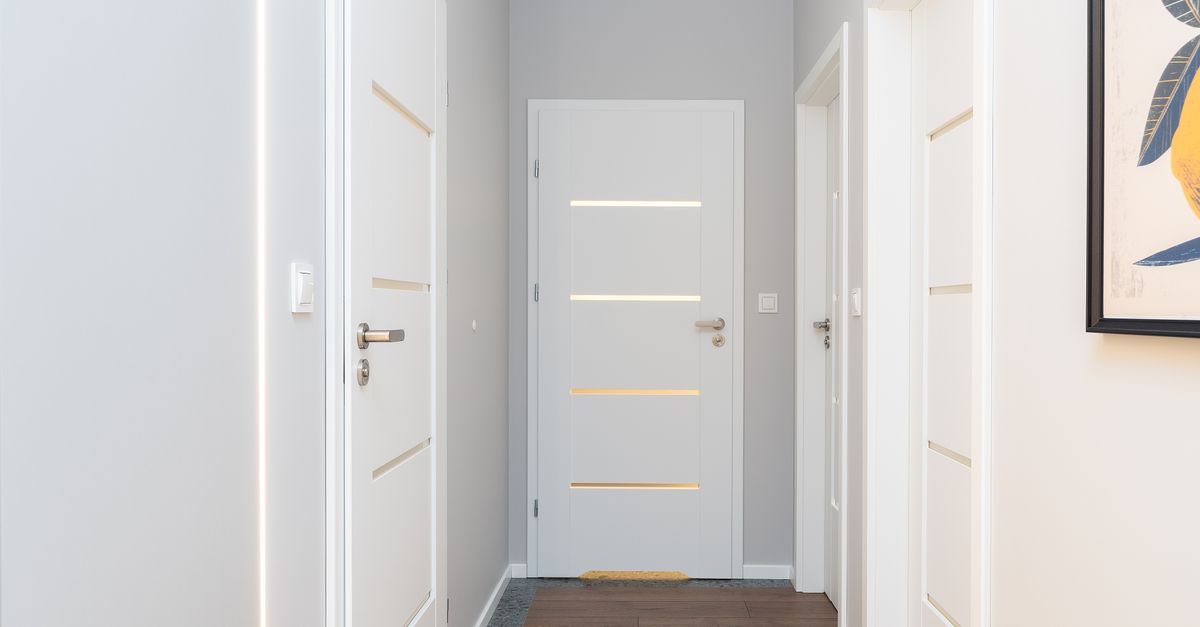
If you look at most front doors in Eltham — whether it is a Victorian terrace off Well Hall Road or a newer build near Eltham Park — you will almost certainly see two separate locks. One sits about a third of the way up the door and operates with a simple push-button or thumb-turn. The other sits at mid-height and needs a key to open it from either side. These are, in most cases, a nightlatch and a mortice lock, and understanding how they differ is genuinely useful — both for knowing whether your home is properly secured and for dealing with problems when they arise.
This guide explains what each lock is, how it works, why UK insurers care about which type you have, and when calling a professional locksmith London homeowners trust makes more sense than struggling alone. We cover timber doors, uPVC doors, and the different lock types you are likely to encounter on a standard British home, so read on whichever situation applies to you.
## What Is a Mortice Lock, and Why Does It Matter for Home Security?
A mortice lock — sometimes written as 'mortise lock' — is a lock that sits inside a pocket, or 'mortice', cut into the edge of the door itself. Because the entire mechanism is recessed into the door, it is far more resistant to being forced than a surface-mounted lock. When you turn the key, a bolt shoots horizontally into a metal keep (or striking plate) set into the door frame. That bolt does not spring back on its own — it stays put until you use the key again, which is why a mortice lock in this configuration is called a mortice deadlock. It is distinct from a mortice sashlock, which combines the deadlock with a latch and is typically used on internal doors or gates rather than front doors.
The lever count matters enormously. A 2 lever mortice lock has just two levers inside the mechanism, making it relatively simple to manipulate and not considered adequate for an external door. A 5 lever mortice lock, by contrast, has five levers and is the minimum standard that most home insurance policies in the UK require. Many insurers specifically ask for a 5 lever mortice lock that meets BS3621 — the British Standard for insurance-rated locks. If you are unsure whether your existing lock meets this standard, the BS3621 kitemark is usually stamped on the faceplate visible at the edge of the door. If yours does not carry it, a lock change London homeowners make regularly, carried out by a qualified locksmith, is straightforward and worth doing before you need to make a claim.
## What Is a Nightlatch, and How Is It Different?
A nightlatch — often called a Yale lock, after the well-known brand, though many other manufacturers make them — is a rim-mounted lock. Rather than sitting inside the door, it is fitted to the surface of the door on the inside, with a cylinder that passes through the door to the outside. This is what makes it what locksmiths call a rim cylinder: the cylinder is the barrel you insert your key into on the street side, and the rim case is the box you can see on the inside. When you close the door, a spring-loaded latch drops automatically into the keep — which is exactly why a nightlatch is also sometimes called a rim lock. You can leave the house without touching a key, and the door latches behind you. To open it from outside you use your key; from inside, you either turn the knob or use the thumb-turn.
The convenience is obvious. The limitation is equally obvious: a spring latch can, in certain older or worn installations, be pushed back with a card or strip of plastic. Modern nightlatches have anti-push features to prevent this, but the fundamental design means a nightlatch alone is not sufficient security for most UK front doors. That is why the two locks are almost always used together — the nightlatch for convenience, the mortice deadlock for genuine security. Some uPVC and composite doors handle this differently, using a multipoint locking system operated by a single handle, but on a standard timber front door the combination of nightlatch and 5 lever mortice lock remains the typical and insurer-approved arrangement.
## uPVC Doors, Euro Cylinders, and the Snap Risk Every Eltham Homeowner Should Know
If your front door is a uPVC or composite door — extremely common on 1980s, 1990s and 2000s-era homes across Eltham and the wider SE9 area — the lock arrangement is completely different. These doors use a multipoint lock: a long mechanism that runs the height of the door and shoots bolts or hooks into the frame at three or more points when you lift the handle and turn the key. The key itself operates a euro cylinder, which is the small oval-shaped barrel visible at the centre of the door. The concept of a rim cylinder does not apply here — the cylinder is embedded in the door and drives the multipoint mechanism directly.
The problem with many standard euro cylinders is that they are vulnerable to a technique called cylinder snapping, where an attacker uses brute force to break the cylinder at a weak point, gaining access to the cam that operates the lock. Upgrading to an anti-snap cylinder — ideally one that carries the TS007 3-star rating — removes this vulnerability almost entirely. If you have a uPVC door and are unsure what cylinder you have, it is worth having a professional assess it. Our team carries out upvc door lock repair London residents request regularly, including cylinder upgrades that make a genuine difference to security without replacing the door. If you would like advice specific to your door, call 020 3757 5833 and we will talk it through before we come out.
## When You Need Both Locks — and When One Is Failing
The most common scenario we attend as a 24 hour locksmith London team is a homeowner who has lost their nightlatch key or whose nightlatch latch has become stiff or jammed. In many of these cases the mortice lock is working perfectly — but because people rely on the nightlatch daily, it is the one that gets used the most and therefore wears the fastest. Signs that a nightlatch is beginning to fail include: the latch not springing out fully when the door is open, the cylinder feeling stiff when you turn the key, or the thumb-turn not moving the latch smoothly. None of these should be ignored, because a lock in poor condition is easier to compromise and more likely to leave you locked out at an inconvenient hour.
On the mortice side, the most common issue is a key that turns but the bolt does not travel fully, or a bolt that cannot be retracted at all. This often happens when the door has dropped slightly on its hinges, causing the bolt to bind against the keep rather than sliding cleanly into it. In some cases the fix is a hinge adjustment; in others the keep needs repositioning or the lock itself needs replacing. For door lock replacement London homeowners are sometimes surprised to find that the lock itself is fine — it is the door alignment causing the problem. A skilled locksmith can diagnose this quickly and carry out whichever repair is actually needed, rather than replacing a lock that does not need replacing.
## Locked Out in Eltham? What to Check Before You Call — and When to Call Anyway
If you are locked out of your home in Eltham, the first sensible steps are the ones that do not involve a locksmith at all: check whether a trusted neighbour or family member has a spare key, check whether a rear door or window was left unlatched, and check whether the nightlatch thumb-turn was left in the locked position (this is a surprisingly common situation — the door is not actually deadlocked, only the nightlatch thumb-turn is engaged, and a locksmith can resolve this very quickly). What we would never recommend is attempting to force entry yourself — not because it is always impossible, but because it typically causes more damage than a professional opening would, and that damage costs more to put right.
When none of the sensible alternatives apply, calling an emergency locksmith London residents rely on is the right move. We operate as a mobile service and cover Eltham and the surrounding areas around the clock, including evenings, weekends and bank holidays. As a 24/7 service, we send a locksmith straight away and are usually with you in around 30 minutes, though we will always give you a realistic estimate when you call. The price varies depending on the lock type, what time of day it is, and what work is needed — we confirm an exact figure with you on the phone before we set off, so there are no surprises when we arrive. To speak to someone now, call 020 3757 5833.
## Choosing the Right Lock for Your Front Door: a Practical Summary
For a timber front door: a BS3621-rated 5 lever mortice deadlock at mid-height, plus a British Standard nightlatch (look for the BS EN 12209 or BS 3621 mark on the packaging). The nightlatch handles day-to-day convenience; the mortice lock should be turned every night and whenever you are leaving for a significant period. For a uPVC or composite door: check the cylinder rating and upgrade to anti-snap if yours is a plain euro cylinder without any snap-protection features. If your door is a newer composite with a multipoint lock, verify that the multipoint mechanism itself engages fully every time — a handle that feels loose or a bolt that does not shoot cleanly is worth having looked at sooner rather than later.
If you are a landlord or letting agent managing a property in Eltham, the same logic applies — tenants deserve a front door that meets insurance standards, and ensuring that is the case before the start of a tenancy is simpler and less expensive than dealing with a break-in or a lock change London authorities require after an incident. Our team carries out lock changes, cylinder upgrades, and door lock replacement London landlords and owner-occupiers both request, across SE9 and the surrounding postcodes. We are available every day of the year, and you can reach us on 020 3757 5833 whenever you need us.
## Your Local Locksmith Eltham: Familiar Ground, Practical Help
Eltham is a varied area — you have Victorian and Edwardian terraces with original timber frames that accept mortice locks and nightlatches, 1930s semi-detached homes (many on and around Eltham High Street and Rochester Way) where the doors are often thicker and may have older mortice furniture, and 1990s-onwards uPVC and composite doors on estates towards New Eltham and Mottingham. The lock that suits one door may be completely wrong for another, and knowing the local housing stock genuinely helps when diagnosing a problem over the phone before we arrive.
As a mobile locksmith service operating across Eltham and the broader London SE area, we do not have a shopfront to visit — we come to you, wherever you are, with the parts and tools to carry out the work on the spot in a single visit wherever possible. Whether you need a 5 lever mortice lock fitted, a nightlatch replaced, an anti-snap cylinder installed on a uPVC door, or simply some honest advice about whether your existing locks meet your insurer's requirements, we are the team to call. We are fully insured, experienced across the full range of domestic lock types, and available whenever you need us — not just during office hours.
Frequently asked questions
What is a mortice lock, and do I need one on my front door?+
A mortice lock is a lock that fits inside a pocket cut into the edge of a door, with a bolt that shoots into the door frame and stays there until a key retracts it. Unlike a spring latch, it cannot be pushed back without a key, which makes it far more resistant to forced entry. For a timber front door, yes — most home insurers in the UK require at least a 5 lever mortice lock that meets the BS3621 standard. If yours does not carry the BS3621 kitemark on its faceplate, it is worth having it assessed and upgraded by a qualified locksmith.
What is a rim lock, and is it the same thing as a Yale lock?+
A rim lock (also called a nightlatch) is a lock fitted to the surface of the door on the inside, with a cylinder that passes through the door to the outside — this cylinder is what locksmiths refer to as a rim cylinder. Yale is a well-known brand that makes this type of lock, which is why the terms are often used interchangeably, but Yale is a brand name rather than a lock type. Any surface-mounted lock with a spring latch and an external cylinder operates on the same principle. On its own a nightlatch is not sufficient for a secure front door — it works best in combination with a 5 lever mortice deadlock.
My uPVC door has a euro cylinder — do I really need to upgrade it?+
If your euro cylinder is a standard one without anti-snap protection, then yes, upgrading is genuinely worth doing. Cylinder snapping is a known method of bypassing uPVC door locks, and it requires very little specialist knowledge or equipment. An anti-snap cylinder, particularly one carrying the TS007 3-star rating, is designed to break in the right place — the external section — when force is applied, leaving the internal mechanism intact and the door locked. The upgrade is a relatively simple piece of door lock replacement that makes a material difference to your security. We carry out upvc door lock repair and cylinder upgrades across Eltham and the surrounding area.
How much does it cost to replace a mortice lock or nightlatch?+
The final quote depends on several factors: the type and specification of lock needed, whether the door frame or keep also needs attention, what time of day the work takes place, and how far our locksmith needs to travel. We will always confirm an exact price with you on the phone before we set off — there is a call-out charge, and we make sure you know the full cost upfront before we begin any work. To get a clear figure for your specific situation, call us on 020 3757 5833 and we will talk through what is involved.